
The SS American Star began its life as a luxury ocean liner in 1940. For over 50 years, this majestic ship sailed the seas under various names and owners. Its final voyage in 1994 would be its most dramatic, ending in shipwreck off the coast of Fuerteventura in the Canary Islands.
On a stormy January night, the American Star broke free from its tow lines while being transported to Thailand to become a floating hotel. Adrift in rough seas, the ship ran aground on Playa de Garcey.
Within just 48 hours of becoming stranded, the relentless pounding of the waves had already snapped the massive vessel in two.
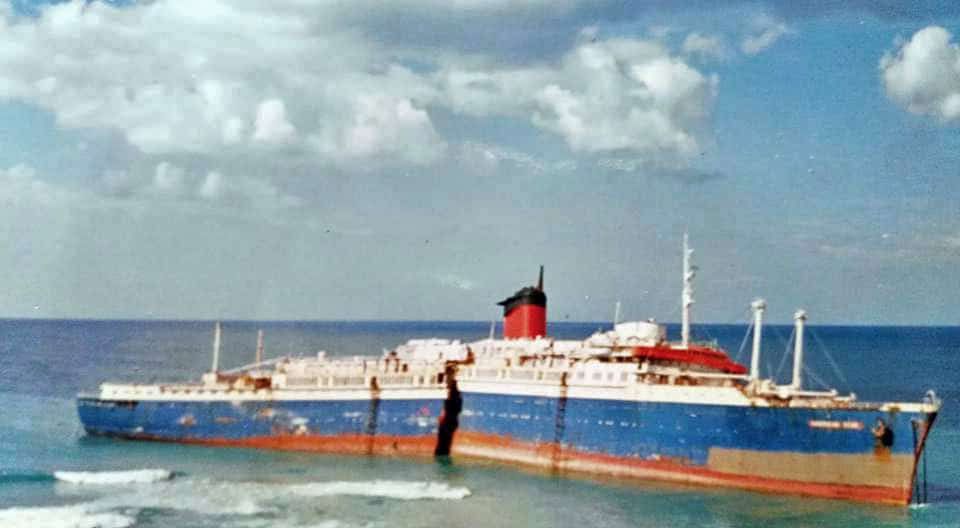
For years after its wreck, the American Star sat as a haunting sight on the beach, slowly deteriorating. Adventurous tourists would visit to see the once-grand ship in its final resting place.
Today, little remains visible above the water, but the wreck of the American Star lives on as a fascinating piece of maritime history.
Sadly, I never got to see it as it had gone when I first found out about it.
The Final Voyage and Stranding
The American Star’s last journey ended in disaster on the shores of Fuerteventura. This once-grand ocean liner met a tragic fate due to rough seas and bad luck.
The Journey to Fuerteventura
In January 1994, the American Star set sail from Greece. Venture Cruise Lines bought the ship to use in Thailand. They hired a tugboat to tow it to Phuket.
The voyage started in Piraeus. The SS Noga pulled the old liner across the Mediterranean. At first, things went well. But as they neared the Canary Islands, the weather turned nasty.
Strong winds and big waves battered the ships. The crews fought to keep control. Sadly, their efforts weren’t enough.
Playa de Garcey’s Unexpected Arrival
On 18 January, disaster struck. The tow lines snapped in the storm. The American Star drifted away from the tugboat.
With no power, the ship was at the mercy of the sea. It floated towards Fuerteventura’s rocky coast. In the early hours, it ran aground on Playa de Garcey.
The ship hit the beach hard. Waves pounded its hull. Within days, it broke in two. The back half sank quickly. The front stayed stuck on the sand.
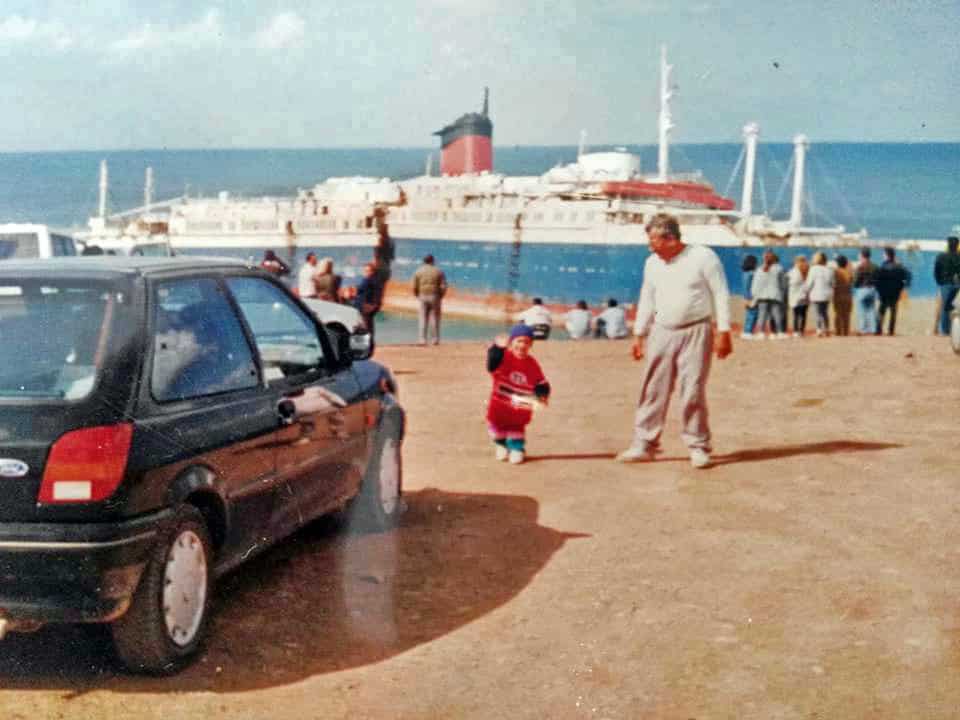
People on the island were shocked to see a huge ship on their beach. It became a local attraction. Sadly, the sea slowly ate away at the wreck over the years.
Wreckage and Deterioration
The SS American Star’s final resting place on Fuerteventura’s coast became a haunting sight. Wind and waves battered the ship, slowly tearing it apart over many years.
The Impact of Nature on the American Star
The ocean’s power was relentless. Huge waves crashed against the ship’s hull, causing severe damage. The constant pounding weakened the structure, especially along the waterline.
Salt water corroded the metal, eating away at the once-grand vessel. Strong winds added to the destruction, putting stress on already weakened parts.
Sand and rocks scraped against the hull with each tide. This slow grinding wore away at the ship’s exterior, leaving it more vulnerable to the sea’s fury.

One Couple’s American Star Fuerteventua Experience
I remember reading a post on a forum from a couple who visited Fuerteventura. One day, there was a strong sea mist so as it wasn’t a sunbathing day they drove across the island exploring. They ended up at Playa de Garcey and parked their car at the top of the beach.
They had no idea the American Star was there. They couldn’t see the sea but walked down the beach in the mist. As they reached the waters edge the huge American Star loomed out of the mist. I can imagine what an eerie sight that must have been.
Collapse and Disintegration Over Time
As years passed, the American Star slowly fell apart. The stern section was the first major loss, sinking into the sea not long after the wreck.
By 2002, a large gap appeared under the funnel. This was a sign of worse to come. The bow section, which had stayed visible for years, began to crumble.
In November 2005, the middle part of the ship collapsed. Almost a year later, in October 2006, only a small bit of the bow remained above water.
The once-mighty ocean liner had been reduced to twisted metal and rusty scraps. Today, little trace of the American Star can be seen above the waves.
The Vessel’s Storied Past
The SS America had a rich and varied history spanning over five decades. She served many roles and sailed under numerous names, leaving an indelible mark on maritime history.
SS America and Her Many Names
The SS America was born in 1940 at Newport News Shipbuilding in Virginia. Designed by naval architect William Francis Gibbs, she was a luxury liner for United States Lines. Throughout her life, she bore many names:
- SS America (three separate times)
- USS West Point
- SS Australis
- SS Italis
- SS Noga
- SS Alferdoss
- SS American Star
Eleanor Roosevelt christened her as America. The ship boasted cabin, tourist, and third class accommodations, catering to a wide range of passengers.

When I was a child my parents took me and my brothers on a boat trip around Southampton Harbour and I remember the SS America docked there, along with other great liners like the Queen Mary.
From Luxury Liner to Military Service
When World War II broke out, America’s role changed drastically. The US Navy commandeered her, renaming her USS West Point (AP-23). She became a vital troop transport, ferrying soldiers across the Atlantic and Pacific.
West Point carried over 500,000 troops during the war. She also evacuated civilians and transported prisoners of war. Her speed and size made her an invaluable asset to the war effort.
After the war, she returned to civilian service as the SS America.
Post-War Transitions and Ownership Changes
America resumed her transatlantic crossings after the war. But as air travel grew popular, ocean liners struggled. In 1964, United States Lines sold her to the Chandris Group.
Renamed Australis, she found new life as a cruise ship and immigrant transport. She carried thousands to Australia and New Zealand. Later owners included:
- Chandris Line (as Italis)
- Intercommerce Corporation (as Noga)
- Silver Moon Ferries (as Alferdoss and American Star)
Each change brought new paint and a new identity, but her iconic silhouette remained recognisable.
Legacy and Cultural Impact
The wreck of the American Star left a lasting impression on maritime history and popular culture. Its haunting image captured imaginations worldwide and inspired various tributes.
Memories and Tributes
Many former passengers and crew members fondly remember their time aboard the American Star. Maritime enthusiasts have created online forums and websites to share photos and stories of the ship’s glory days.
Some artists have painted the wreck, capturing its eerie beauty as it slowly disappeared into the sea. A few intrepid explorers even risked visiting the site to pay their respects before the last traces vanished beneath the waves.
The American Star in Modern Media
The wreck became a popular subject for photographers and filmmakers. Dramatic images of the ship’s final years appeared in magazines like Explorer and on social media. Several documentaries explored its history and demise.
Ther recent film “American Star” set in Fuerteventura features some clever CGI making it seem like the wreck is still visible.
The American Star has featured in TV shows about shipwrecks and abandoned places. Some video games have included virtual versions of the wreck as explorable locations. Google Maps users can still find the spot where it once stood, though only a faint outline remains visible in satellite imagery.

I have been holidaying in Fuerteventura for over 30 years and have been living here full time since 2013. I have a popular Youtube channel related to this website called JP in Fuerteventura

Leave a Reply